
 English
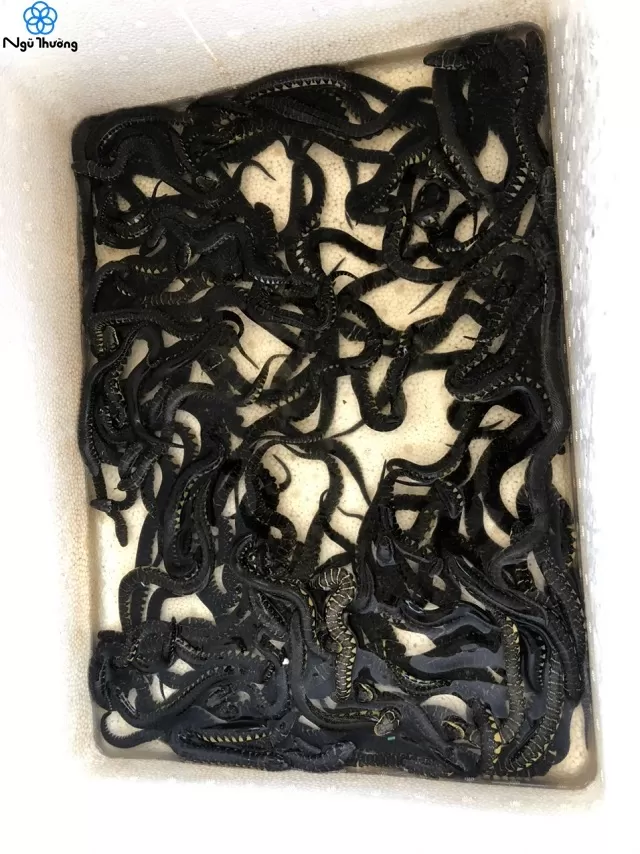
The elephant snake has the scientific name Enhydris Bocourti, belongs to the water snake species, but they are larger than other water snakes, some weighing up to 7 - 8kg. In particular, snake meat is fragrant and the ratio of meat per unit of body weight of the elephant snake is much higher than that of other water snakes. Therefore, they are always a favorite object for diners, especially drinkers.
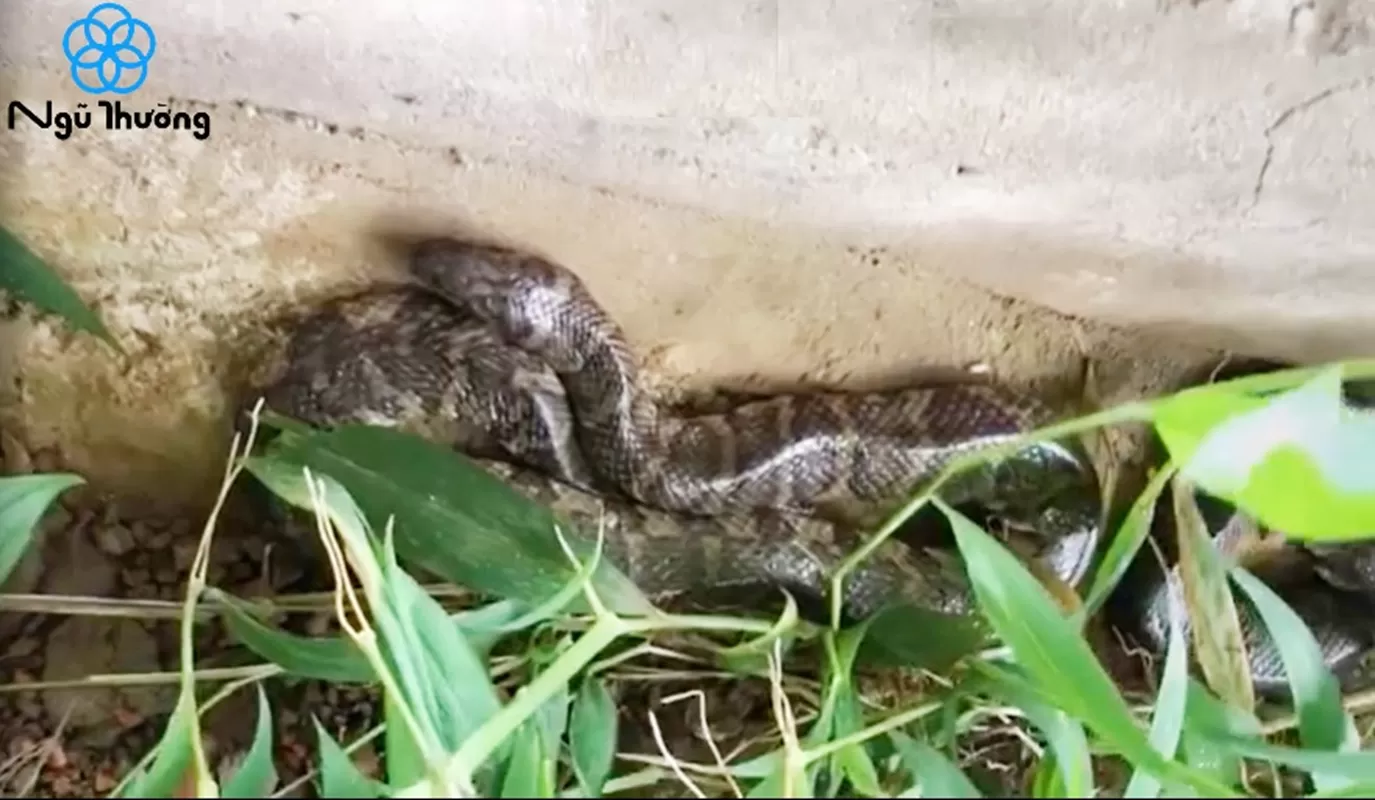
Elephant snakes are not venomous, but are very dangerous because of their aggressive nature and ability to react very quickly when encountering prey or enemies. Therefore, we must pay close attention to this feature when raising snakes to prevent them from attacking, because when they attack, it is very difficult to avoid being bitten.
Elephant snakes are relatively easy to raise, they can be kept in ponds, garden ditches, tanks, jars or jars. Depending on available conditions, choose the most appropriate method of raising and care and nurturing methods. The way our company applies is to raise it in cement tanks.
Cement tanks for raising snakes can be built above the ground or buried an inch or two underground. The walls around the lake are built vertically so the height is from 1.2m to 1.5m.
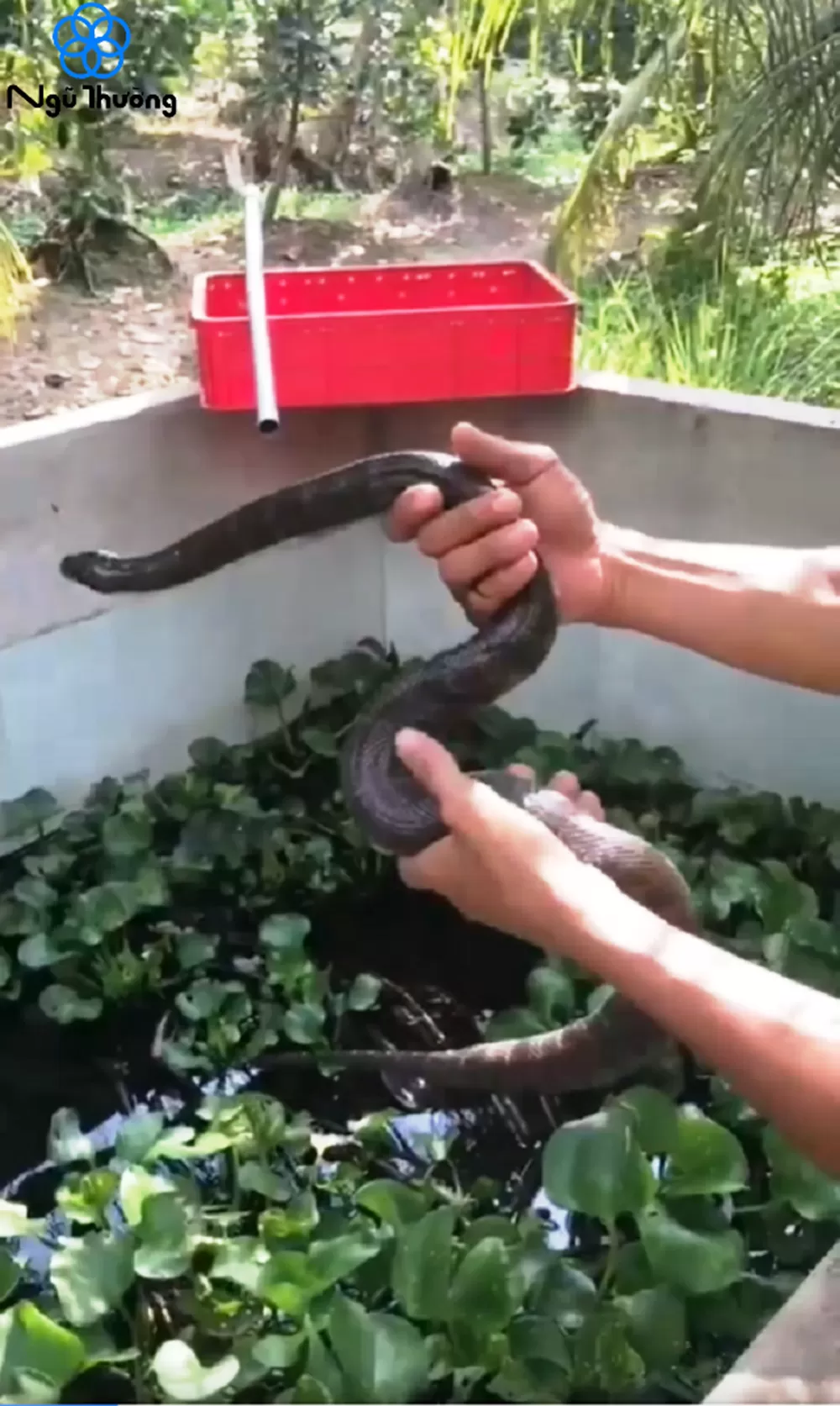
Snake breeding tanks should be built with sturdy bricks, and both inside and outside walls should be smooth. Thanks to that, the wall is waterproof, and the snakes kept inside cannot cling to the wall to escape. The bottom of the tank needs to be carefully pounded and then poured with a layer of concrete about 5cm thick, so that it will not absorb water and also not sink...
Even though the tank area is only a few dozen square meters, there should be enough overflow and drain drain systems, similar to the technique of digging earthen ponds to raise snakes.
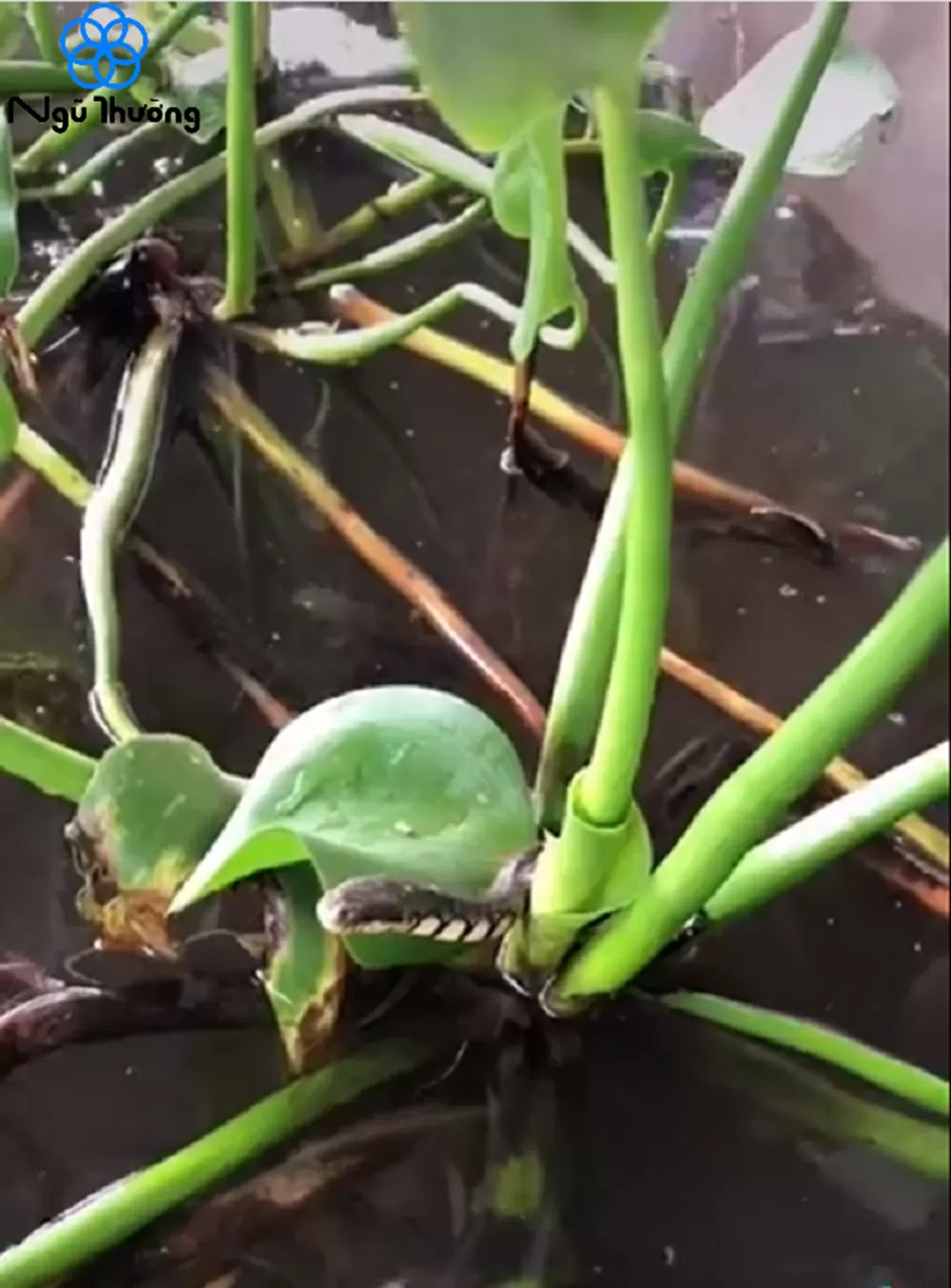
The water level in the cement tank needs to reach 50cm. On 2/3 of the tank's water surface, we also drop aquatic plants such as water spinach, water hyacinth, water grass... so that snakes have a place to hide and avoid the sun. As for the remaining 1/3 of the tank's water surface, you should leave it empty or place a floating raft for the snake to crawl on to bask in the sun.
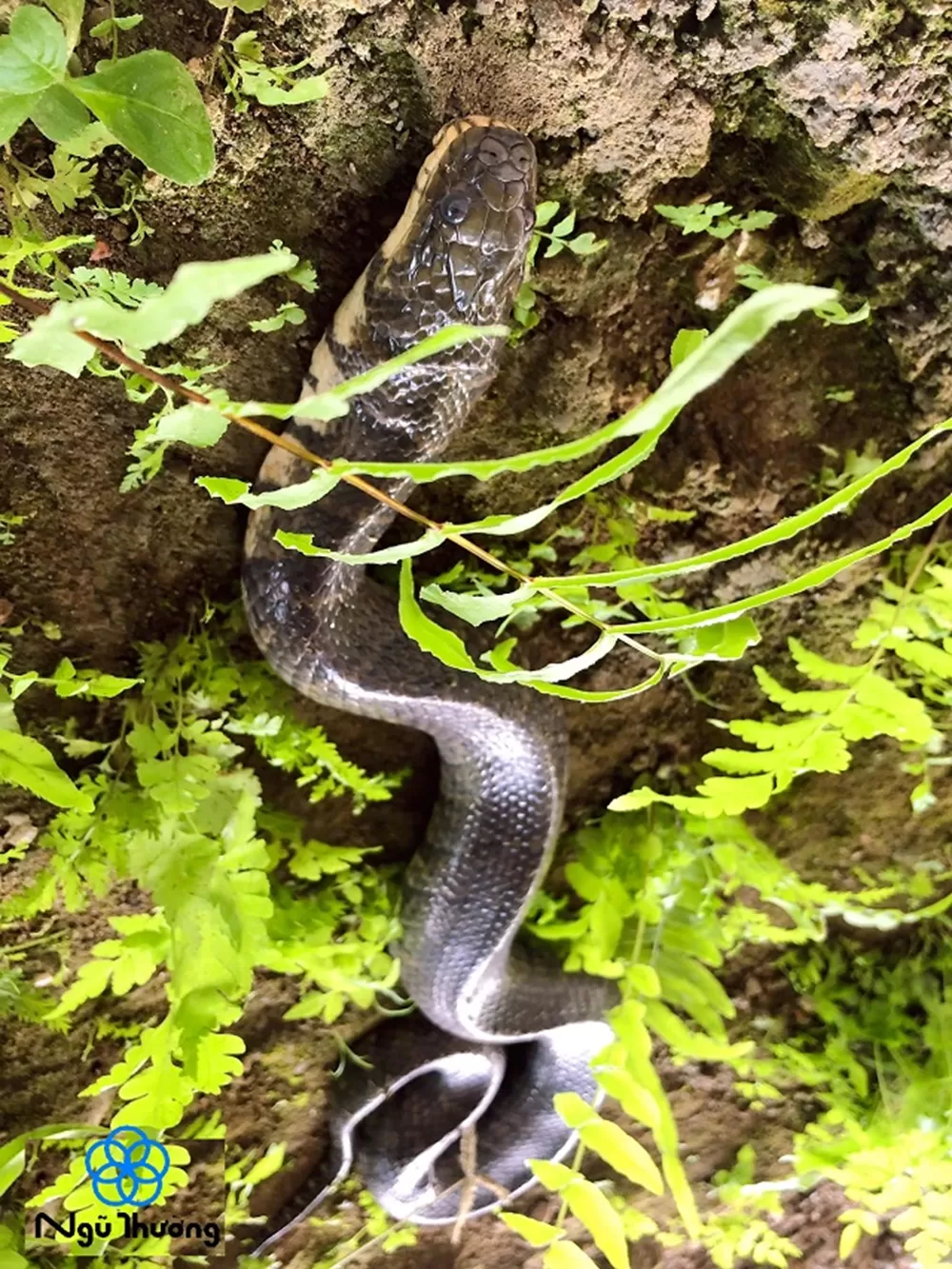
The water used to raise snakes in the tank is also tap water, well water or water from ponds, lakes, rivers and streams, as long as we are sure that the water source is fresh water, clean, not contaminated with alum, saline, and not contaminated with toxic chemicals.
It is necessary to change the water in the cement tank for raising snakes several times a week. Each time you change, you should leave 1/3 of the old water. Changing the water should also be done gently, to avoid causing panic to the snake.








Comment