
 English
Wednesday - April 17, 2013 12:54
BEWARE OF LIGHTNING STRIKES
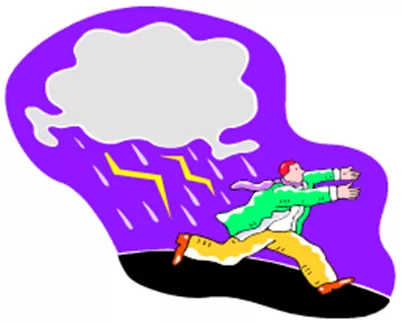
According to statistics in the US, in addition to 40% of lightning victims, the cause is unknown, 27% are when they are in an open area, 19% are near trees, 8% are swimming or near water, 3% are near machinery, 2.4% are while talking on the phone, 0.7% are related to radio, TV, antenna...
Avoid lightning strikes outdoors
In case you cannot find a safe shelter in time, absolutely do not use trees as shelter from the rain, avoid higher surrounding areas, stay away from metal objects such as bicycles, machines, iron fences...
Find a dry place, if there are taller trees around, look for a low place, find a low tree position.
The person is in as low a position as possible, arms around the neck. The person's contact with the ground is minimal. Stand on tiptoes, do not lie on the ground.
Stand away from tall objects and away from bodies of water such as beaches, ponds, lakes, and ditches. Mountain tops or high slopes are also very dangerous. If in the forest, look for places where the trees are lower and sparse to avoid.
Do not stand in groups of people close together. If you feel your hair stand up (like the electric feeling when touching your hand in front of the TV), it means you could be struck by lightning at any time. Immediately sit down and cover your ears with your hands, do not lie down or put your hands on the ground.
For objects with metal surfaces such as buses, trains, cars, etc., if you do not stick out and do not touch the cover, then it is safe to stay in these places. On the contrary, cars and ships that are exposed or do not have metal covers are dangerous.
After 30 minutes of hearing the thunder, you can return to normal work.
Providing first aid to people struck by lightning
In addition to causing fires and burns, lightning can cause damage to the nervous system, bone fractures, loss of hearing, vision, or memory. People struck by lightning need immediate help. If the person struck by lightning faints (heart stops beating, stops breathing), emergency respiratory and artificial heart support must be performed. Look for broken areas, being especially careful not to move the victim if a spinal fracture is suspected. Let the burned areas dry and find the fastest way for medical staff to arrive.
What not to do:
Do not stand near tall objects, near water, near trees, near vehicles, near houses, in open fields, antennas, high poles, near transmission lines.
What to do:
1, Look for signs of thunderstorms (dark clouds, cold wind...),
2, Listen to the weather forecast when planning to go out.
3, Lower the position so that your legs are together. Do not lie on the ground.
4, Go into a large house or into a vehicle with a metal roof (remember not to touch the metal roof).
5, Know in advance the nearest safe place and the time to get there.













Comment